Our Farm
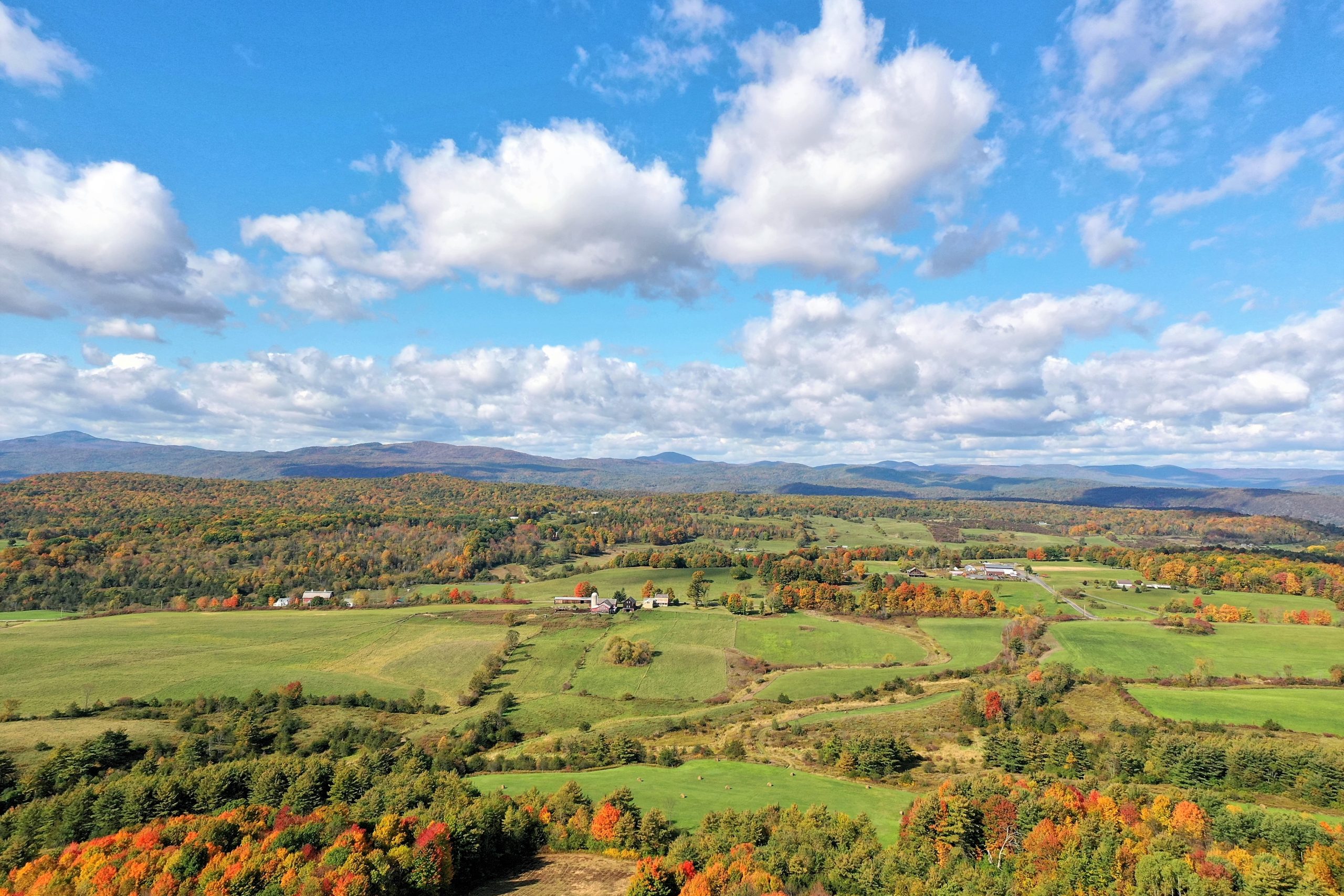
Vermont’s Champlain Valley
A working beef farm in the lower Champlain Valley, where the land, the weather, and a long grazing season set the terms.
The place
A milder corner of a cold state
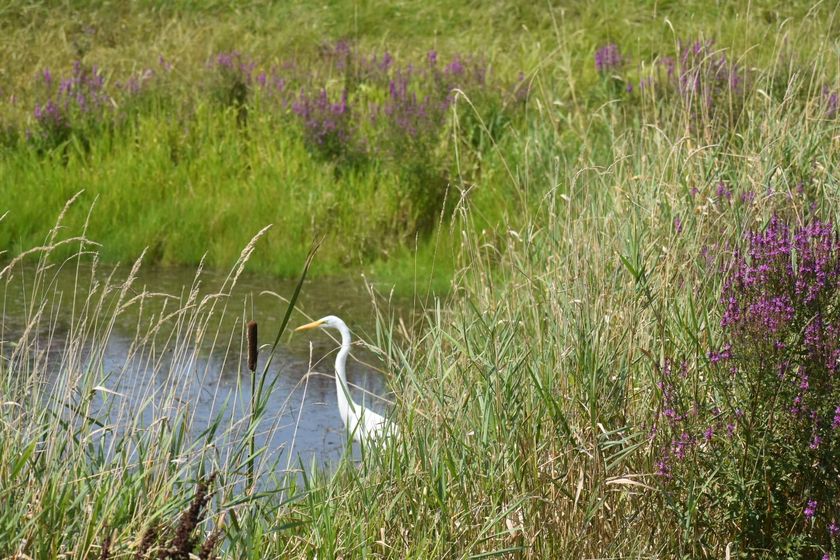
Look at a national climate map and you will find a long sliver along the western edge of Vermont whose climate pairs more closely with southern New York and northern Pennsylvania than with the rest of the state. That is the Champlain Valley. Trees and plants thrive here that are not seen anywhere else in Vermont.
The soils are different too — heavy clay and clay loams. Clay is hard to work: like concrete when dry, like grease when wet, workable only in the narrow window between. But it holds nutrients well and shifts pH slowly, which makes it genuinely fertile ground once you learn its rhythms.
Winter does real work here. After the ground soaks up the fall rains it freezes hard, and the spring thaw acts like a mortar and pestle, breaking the clay apart so water can settle in and roots can push down.
The practice
Rotational grazing, in practice
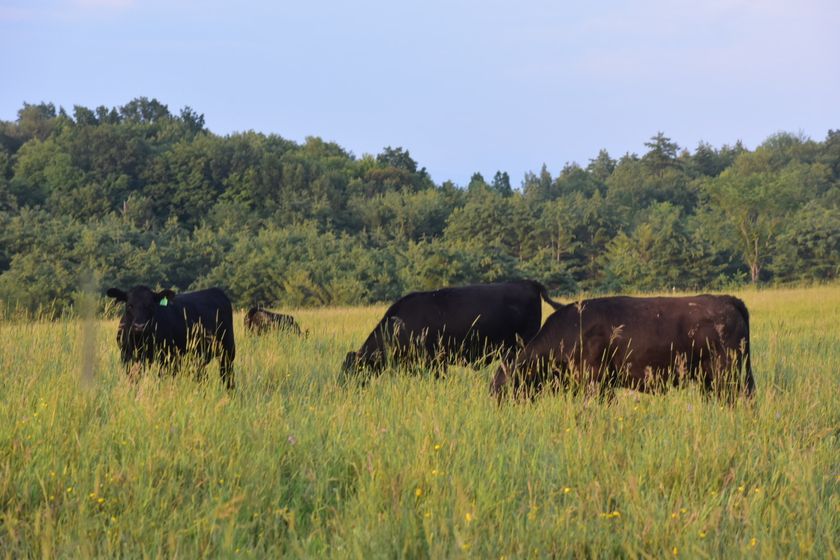
Northeastern grass grows in a short, aggressive season. May growth outruns the cattle; by July the plants are trying to mature, and a mature plant loses sugar and protein while gaining fiber. Management is mostly about interrupting that.
The herd moves paddock to paddock. In the first week of June we mow each pasture immediately behind them, which resets every plant in the field to the same stage of growth. Two weeks of rest and the paddock comes back lush. Mowing sets the weeds back too, before they can seed.
Species diversity carries the season. Cool-season grasses like orchard and canary grass dominate in late spring; deeper-rooted clover and alfalfa take over through the heat; fescues hold their value latest of all. A mixed pasture feeds cattle well from April to frost.
Land stewardship
What leaves the land has to be put back
Every grazing season removes tons of nutrient-dense beef from these fields. Done year after year without replenishment, the ground would go barren and the animals would show it first. Manure, urine, and dead plant matter build humus and soil structure, but they do not manufacture major nutrients — nitrogen is the only macronutrient fixed naturally, and only legumes do that work.
So we test, we correct pH with ground limestone where the soil has gone acidic, and we replace minerals deliberately and in measured amounts. It is not glamorous. It is the difference between a farm that feeds households for decades and one that mines its own ground.
Our standards
What we hold ourselves to
Pasture first
Animals are on grass through the grazing season, moved between paddocks so no field is grazed twice without a rest of two to four weeks.
No hormones or antibiotics
Health comes from low stocking pressure, clean forage, and calm handling — not from a pharmacy.
Soil kept in balance
We test and correct pH, replace the minerals that leave with every animal, and treat the soil as the asset it is.
Low-stress handling
Daily contact through late summer keeps animals settled. Calm animals at loading make better beef, and it is simply the right way to work.
Local processing
Our beef is processed at small local butcher shops under USDA inspection, and hangs a minimum of seven days before cutting.
Sold direct
We sell to the households that eat the beef. No distributor, no blending, no anonymity in either direction.